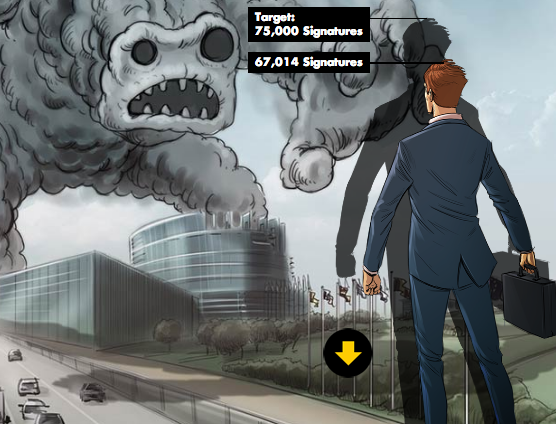
The doomy atmosphere revokes my youth in the 80ies. Also the discourse is not completely contemporary, seems almost outworn — not considering webphenomena/critic and current approaches to eco-social/politicaltransformation — but i think it is still relevant. In terms of style and discourse Adam Curtis and Massive Attack seems to be the perfect fit. Now that they work together i wonder why they didn’t find each other earlier. More on their current work: Guardian, BBC.
I was reading about it yesterday on the Guardian in an article posted by the Adam Curtis himself. But today that page was removed, while yesterday it was even featured on the start page of the Guardian. As if it was still open in my browser, i saved it as a PDF.
Vom Hack des Burgerking twitter-Accounts, über den verbreitet wurde, dass MacDonald nun Burgerking übernommen hätte, profitieren alle Beteiligten. Die Täter ist angeblich die Anonymous-affine Gruppe #OPMadCow. Alle drei Markennamen erfahren gerade enorme Aufmerksamkeit. Ist das strategisch oder nur Quatsch? Neben der Aufmerksamkeit werden in Folge wohl vor allem die Sicherheitsstandards von Twitter optimiert, wie der Guardian berichtet. Die Kommentare auf Twitter sind durchweg erwartungsgemäß schadenfreudig. Witzig finde ich diesen hier:
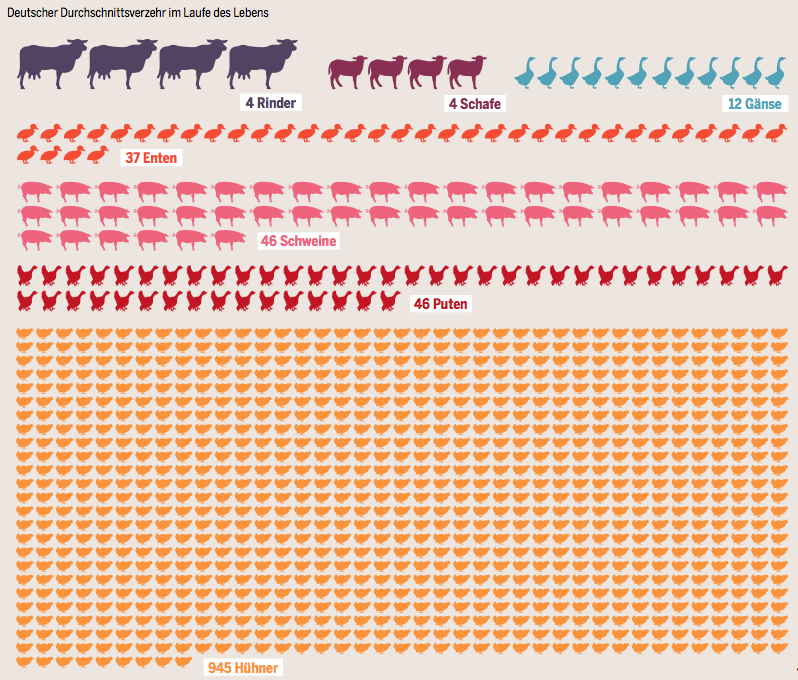
Der “Fleischatlas”, herausgegeben von der Heinrich-Böll-Stiftung, Le Monde Diplomatique und dem Bund für Umwelt und Naturschutz Deutschland (BUND) zeigt in Texten und Grafiken die globalen Zusammenhänge der Fleischerzeugung. Daten und Fakten sprechen für sich bzw. gegen Fleischkonsum und der damit zusammenhängende Ausbeutung. Die komplette Publikation als PDF.
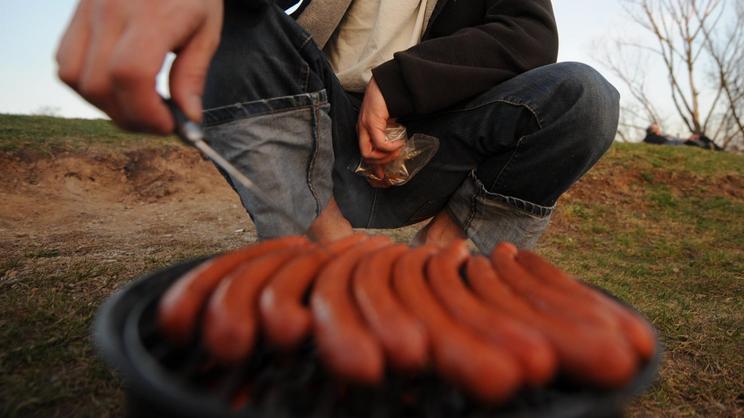
Auch Würstel sind aus Fleisch und Fleisch sind tote Tiere, die während sie bis zum gewaltsamen Tod ihr Dasein in einem Schweine-KZ fristen und dabei Kraftfutter fressen, für dessen Produktion der Regenwald geholzt wird und eine Menge Menschen ausgebeutet werden.
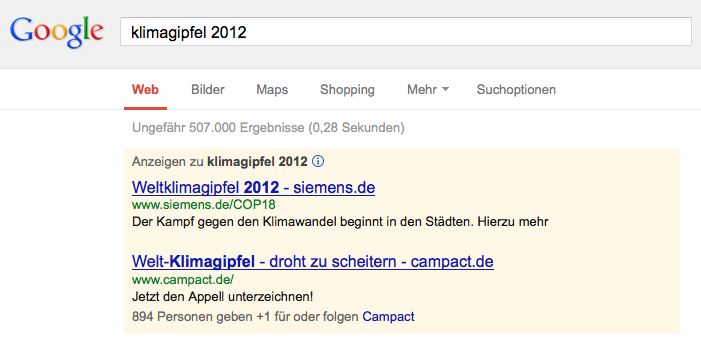
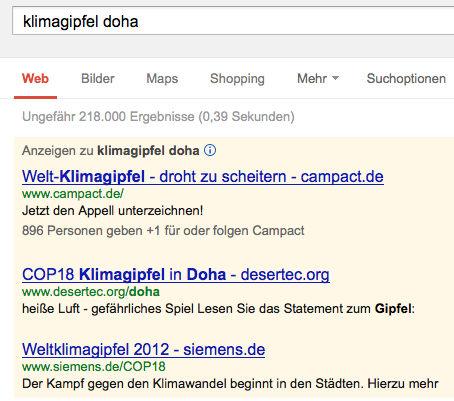
Wenn es darum geht das Klima zu retten positionieren sich Politiker und Unternehmen gerne weit vorne und konkurrieren so mit Aktivisten (und andren Stimmen). Ein interessantes Beispiel liefert mal wieder eine Suche auf google, wo unter den Top-Anzeigen Siemens mit der Kampagnenplattform campact.de konkurriert.
Wer sich wie positionieren will (und die Mittel dafür hat), zeigt sich wenn die Suchwörter variiert werden. Desertec passt natürlich in die Wüste und damit zum Suchwort “doha”.
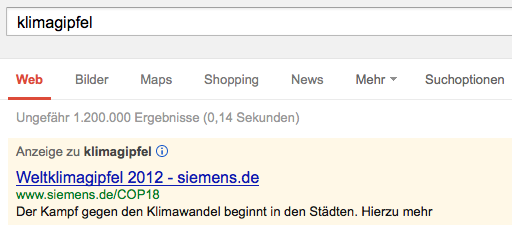
Die Anzeige unter der simplen Suche nur nach “Klimagipfel” (ohne Zusätze wie “2012” oder “doha”) wollte (und konnte) sich nur Siemens leisten.
Update:
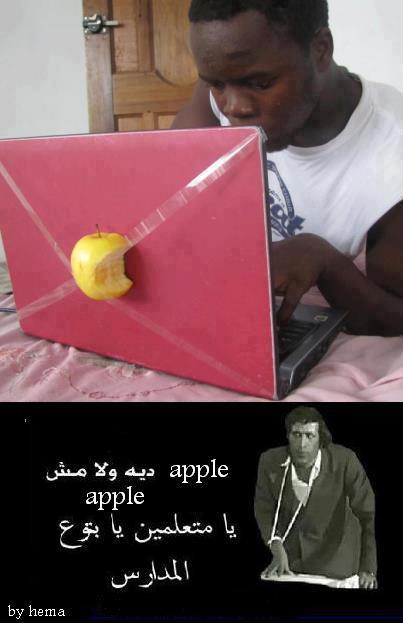
It might not be fair trade, but at least a bit more ecological: The computer of iameco
“… the PC is the first of its class to receive the EU Ecolabel. Producing about 70% less CO2 than conventional computers and made of a majority of recyclable materials” writes Morgana Matus on inhabitat.com.
“Iameco Green Computers Have a Lesson or Two for Apple” is the title of the article by Mark Smith on triplepundit.com. I think we need again make pressure on Apple, like in the campaign “green my apple”
found on the facebook board of أساحبىs, a guy or a group of people from Kairo that produces jokes and publishes them on their site and on FB. I don’t get the jokes and automatic translation doesn’t help much, but i like the rough anarchic style. (@Ernesto: thanks for the link)
Slowly facebook is getting me, as if i keep getting more and more links to interesting stuff or conversations published on that platform. Also it is tempting to use the ubiquitous like-button (much less effort than writing a blog post and still it is a way to store and publish things). But i don’t like it. I made an account only to get a feeling how it works for professional reasons (i am into interaction design and web communication). And after having heard the excellent speach of Eben Moglen at re:publica “Why Freedom of Thought Requires Free Media and Why Free Media Require Free Technology“, i wanted to delete my FB account right away (i didn’t) and just use a fake account for my professional interest. But an account with a fake name and without “real” interaction does not provide the same experience. Let’s try the alternatives. I really like the basic idea of Zurker (it’s in closed beta > let me know, if you want an invitation): it is supposed to be owned by its users, but the interaction in the small world of Zurker is necessarilykind of lame compared with FB and Zurker is missing “social features”, which can be embedded elsewhere on the web). Let’s try diaspora and eventually friendica (but this one seems to need some nerdy efforts). Twitter is more interesting, but somehow a inner resistance keeps me from using it really (i don’t want to publish continuously all the little things i find interesting). For collecting and sharing links in more structured way i use diigo and i like it (thanks to the very useful browser plugins). Yes I WILL delete my FB account, but first need to do some research … and find a new setup of connected tools for personal knowledge management and publishing (sounds like work !-)
At least i am blogging again, also thanks to Sascha Lobo, who brought it to the point: we need more self-governed territory. And theoretically a network of blogs using good old hyperlinks and decentralized services like pingbacks and feeds would eventually be sufficient to create social networks.